In case you missed it consumer reports put out a report about high levels of lead found in protein powders and shakes. Don’t panic just yet…there are a few things to take away from this study. First of all they used a very strict lead limit (via California’s prop 65) which is less than .5 micrograms a day and which is MUCH lower than the FDA regulations.
Mass gainer powders and plant based powders (this includes greens powders too!) were the worst offenders of the 23 products tested on the report. This is because plants naturally absorb minerals (and metals) from the soil and then when it’s concentrated into a powder form you are also concentrating the minerals and metals from the ground as well. Mass gainer powders ranked high as well and likely because they have a big servings size (6+ scoops) and sports dietitians would never recommend these anyways for weight gain.
While there is there is no known safe level of exposure to lead and it’s not possible to completely prevent lead from entering the food supply, I encouraged you to not let these fear based headlines to scare you away from ever using protein supplements.
What you can do instead to decrease your exposure is choose whey or other animal based protein powders as they tend to test lower than plant based powders. If you prefer plant based then opt for vanilla flavor which tends to have lower levels than chocolate. Lastly, choose products that are third party tested. Look for seals from organizations like NSF or USP on packaging, as these indicate the product has passed an independent review since the FDA does not regulate supplements.
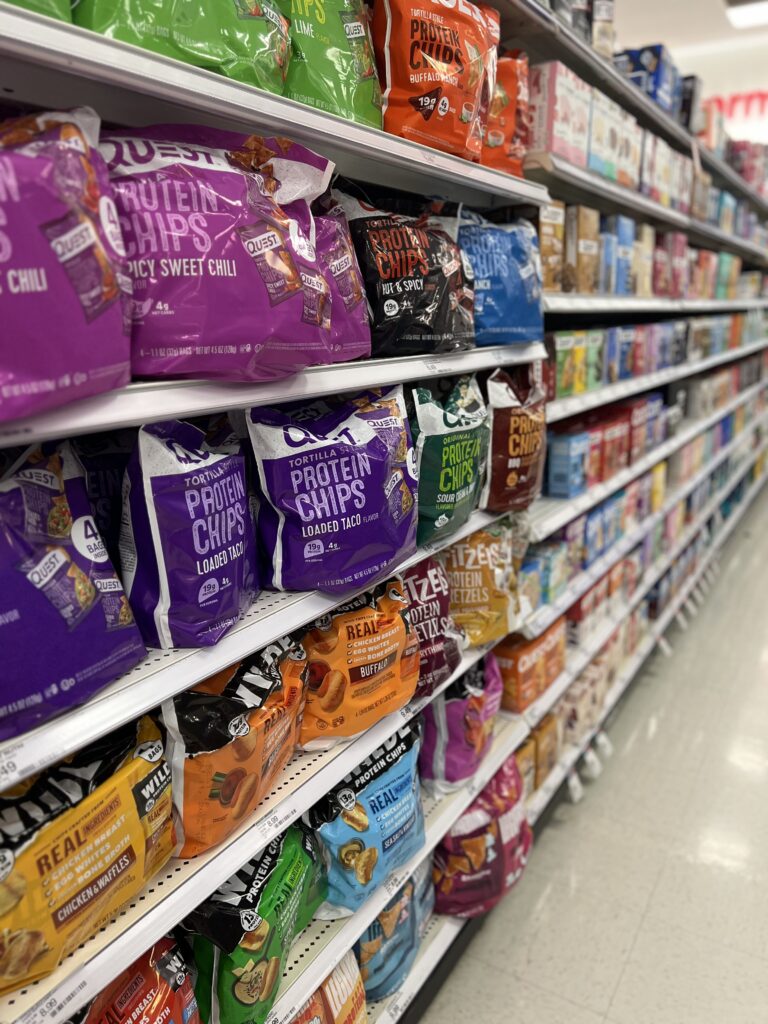
Protein supplements are meant to SUPPLEMENT a diet in a pinch. Protein powders, shakes, bars, chips, sodas, crackers, etc. are not meant to be the primary source of protein in our diets. It’s fairly simple to get your protein needs met through whole foods. Protein has become an obsession and while I do believe it’s a very important macronutrient we should be getting in with every meal, there are no benefits to going over your daily needs. To be honest, most people are not active enough to need as much protein as they are being told they need.
I do believe the RDA of 0.8grams of protein a day per kg of body weight is way too low and most adults should be aiming for 1.2-1.5g of protein per kg of body weight. This is not 1g per pound of body weight like some “experts” are touting on the internet. Personally, I’m fairly active so I try and aim for 1.5-1.7 g/kg which comes out to 80-100g protein a day. Therefore, if you’re drinking extra protein shakes and adding scoops of protein powders to foods with the belief that more is better, it’s time to take a step back from relying on protein supplements and find ways to get whole food protein sources with each meal. If you do this, chances are you’re likely hitting your protein goals without needing a supplement. While there are no significant benefits to going over your protein needs via whole foods, there are consequences to going over your needs when the majority of your protein sources are highly processed ones.
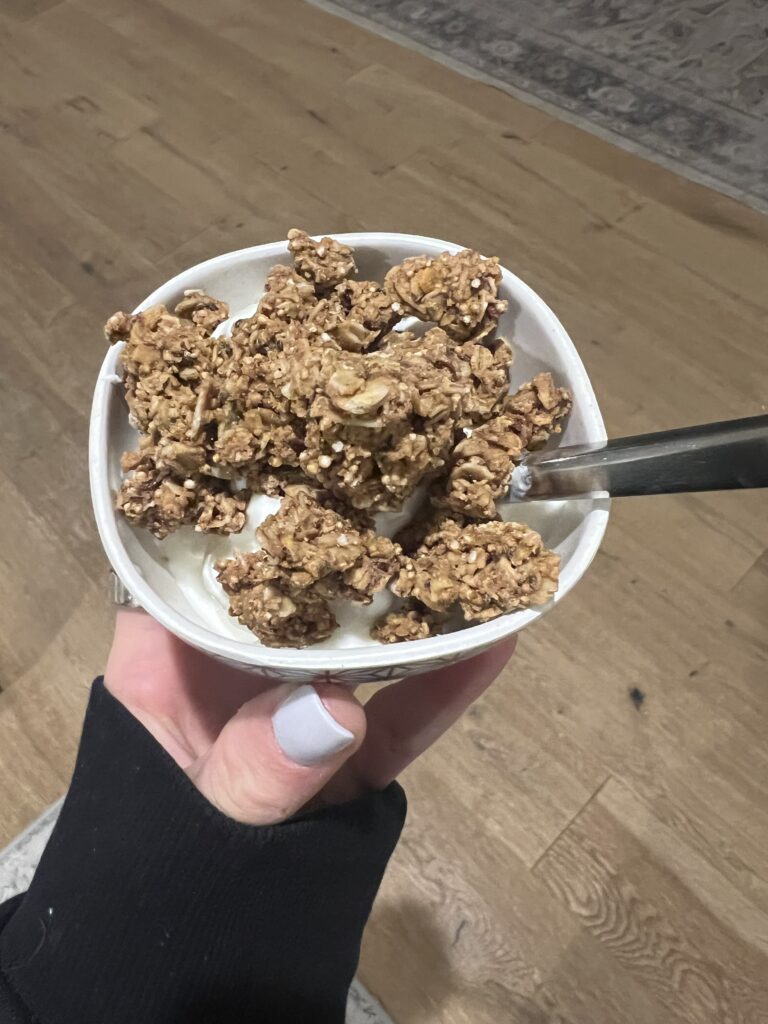
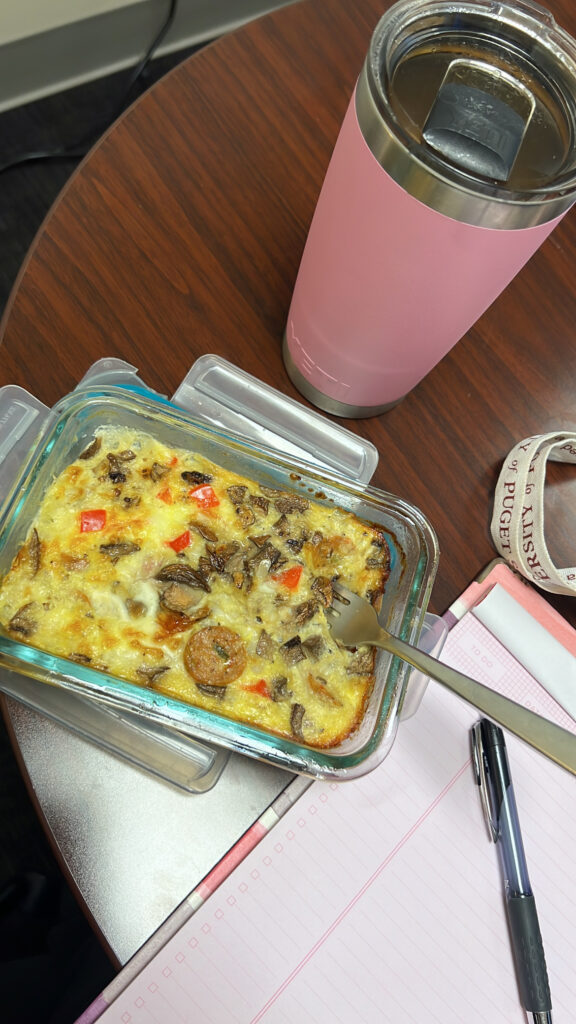
Here is an example of how I got about 100g protein without supplementation.
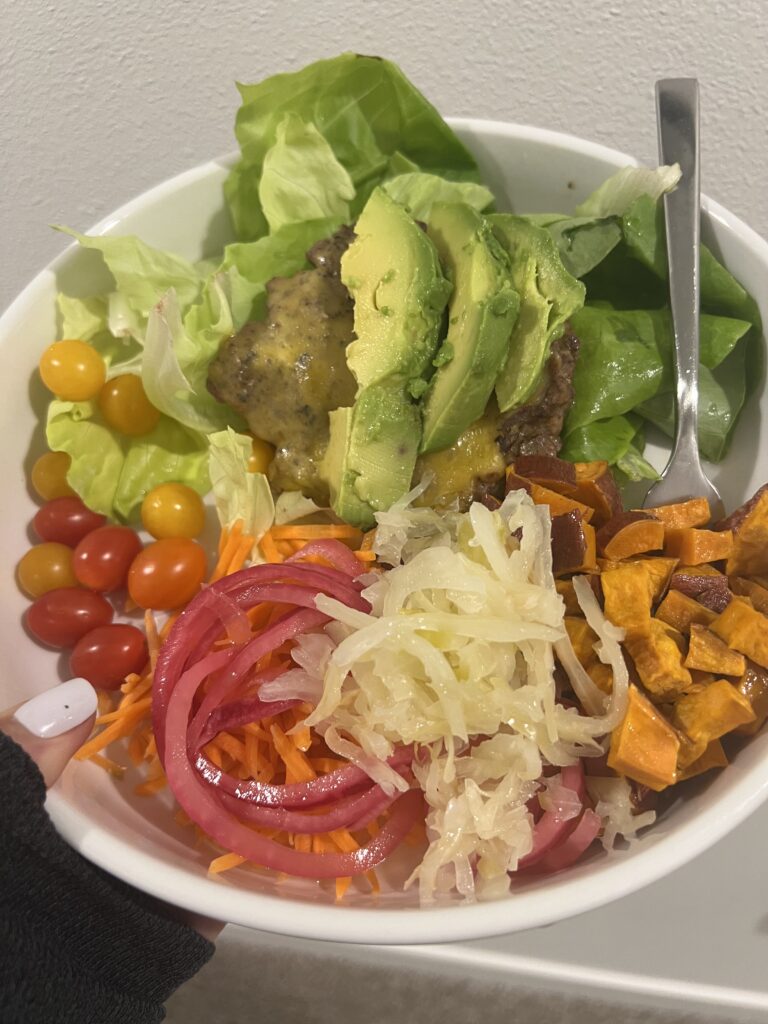
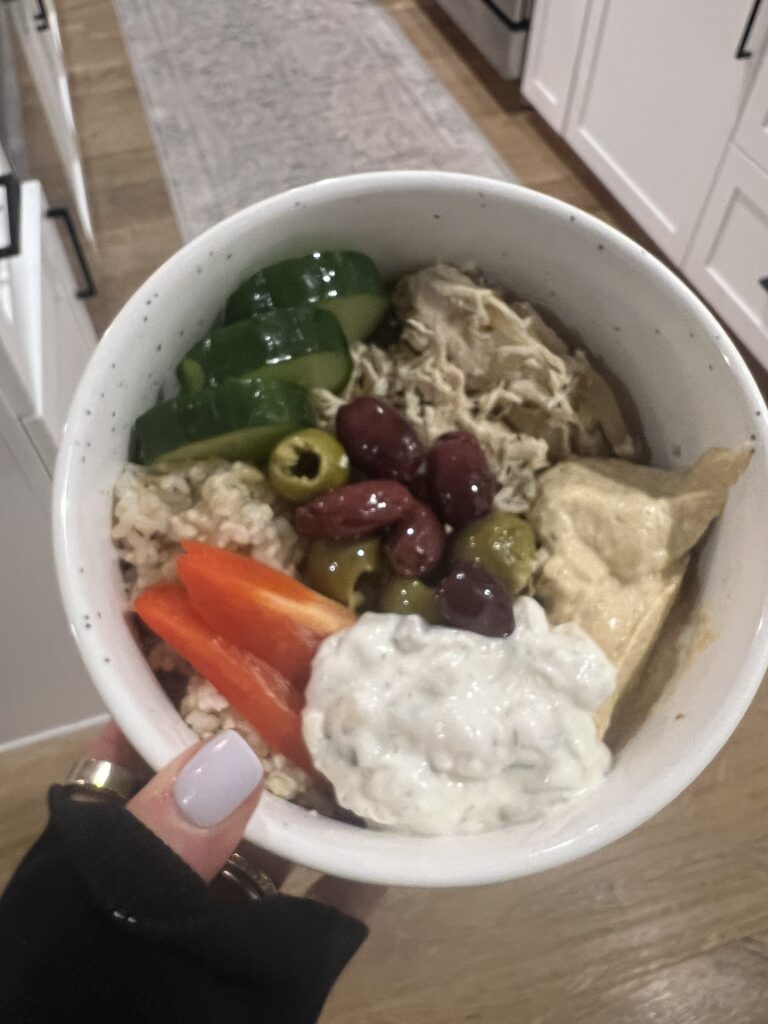
We have over complicated nutrition and are always looking for quick fixes rather than focusing on the basics. My recommendation is to limit protein supplements to 2-3 x week or less and be prepared with ready to eat protein sources like shredded chicken, greek yogurt, tofu, beans, hard boiled eggs, fresh deli meat, premade meatballs, etc.
Hope this helps clear up some confusion!
xx, A

This is super similar to a lot of rice-based snacks for kids. Lead levels can be hgh because rice is a high absorber of minerals in soil. A lot of people don’t even realize how high the levels are in eating rice. I guess you can soak it and it can get rid of some of it. But a lot of it is pollution. We are not able to put together that we need a healthy planet to have healthy bodies/kids/families.